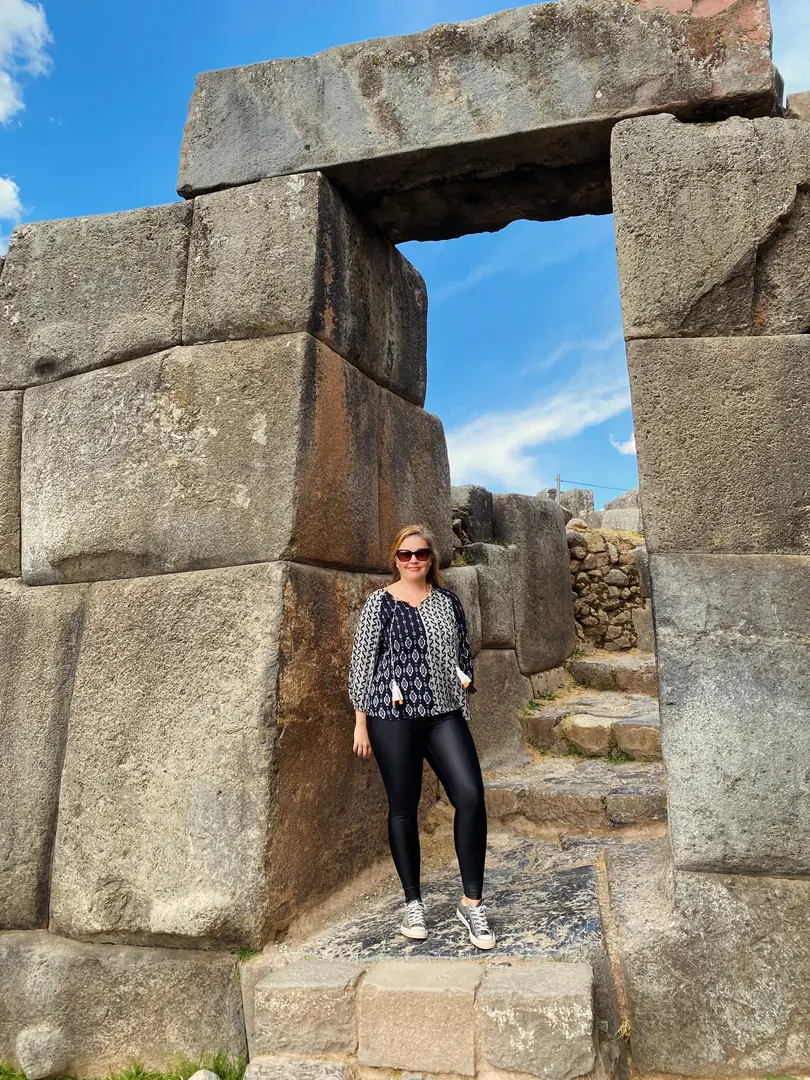
Discover the former capital of the Inca Empire on a tour that blends history, architecture and tradition. You'll visit Qoricancha, the Cathedral and the archaeological sites around the city, such as Sacsayhuamán with its impressive stone walls. At every stop, you'll see how Inca and colonial cultures live side by side in the streets of Cusco. It's the perfect tour to start your trip and adjust to the altitude at a relaxed pace.
Overview
Cusco Cathedral – Qoricancha – Sacsayhuamán – Qenqo – Puka Pukara – Tambomachay
- 9:00 a.m. (morning shift) or 1:00 p.m. (afternoon shift): pickup at your hotel in Cusco and transfer to the starting point.
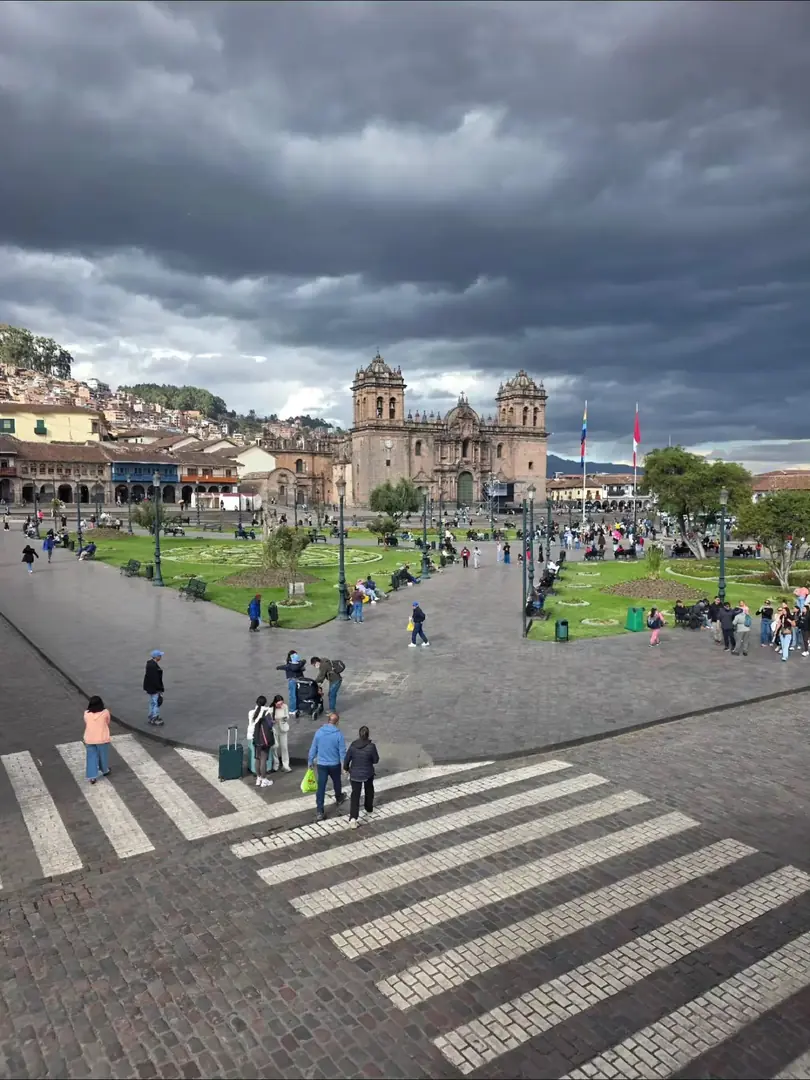
- Cusco Cathedral: guided visit on the Plaza de Armas.
- Historic center: short walk to Qoricancha.
- Qoricancha (Temple of the Sun): guided visit.
- By transport: ascent to the upper part of the city.
- Sacsayhuamán: guided visit with panoramic views of Cusco.
- Qenqo: guided visit.
- Puka Pukara: guided visit.
- Tambomachay: guided visit.
- 2:00 p.m. (morning shift) or 6:00 p.m. (afternoon shift): return and end of the tour near the Plaza de Armas.
- Schedules are approximate and may vary according to traffic and the group's pace. The exact pickup time is confirmed in the prior coordination.
Cusco Cathedral – Qoricancha – Sacsayhuamán – Qenqo – Puka Pukara – Tambomachay
Pickup and Cusco Cathedral
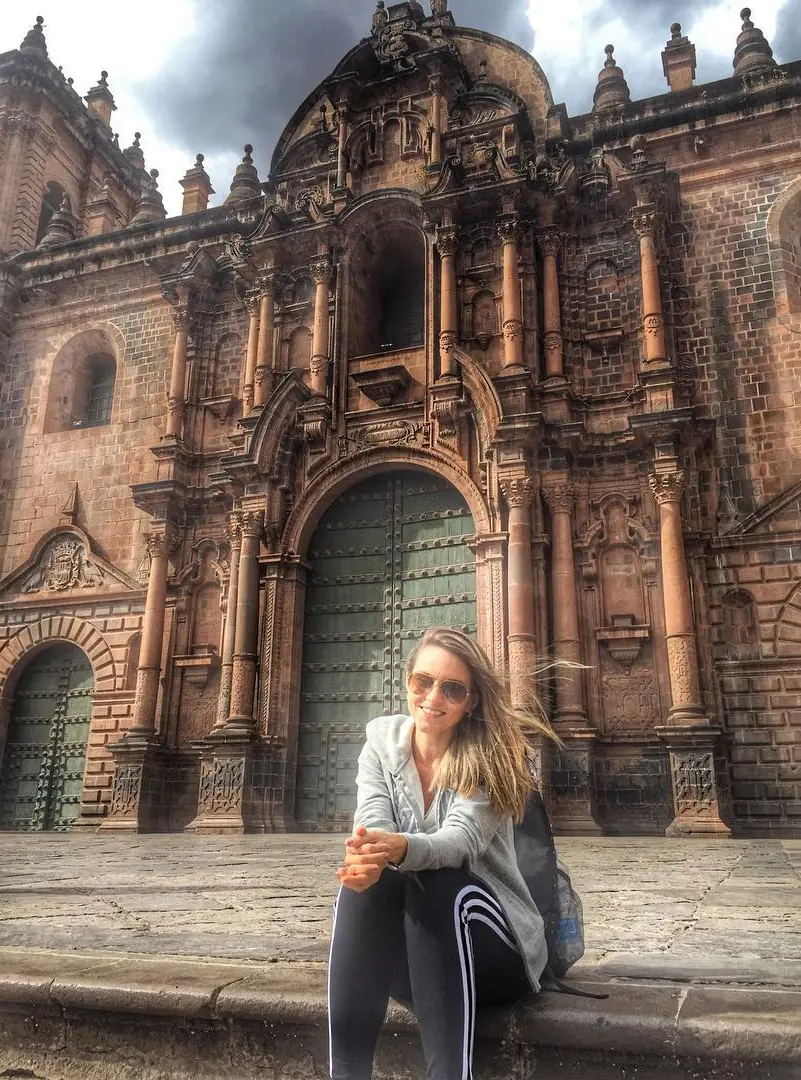
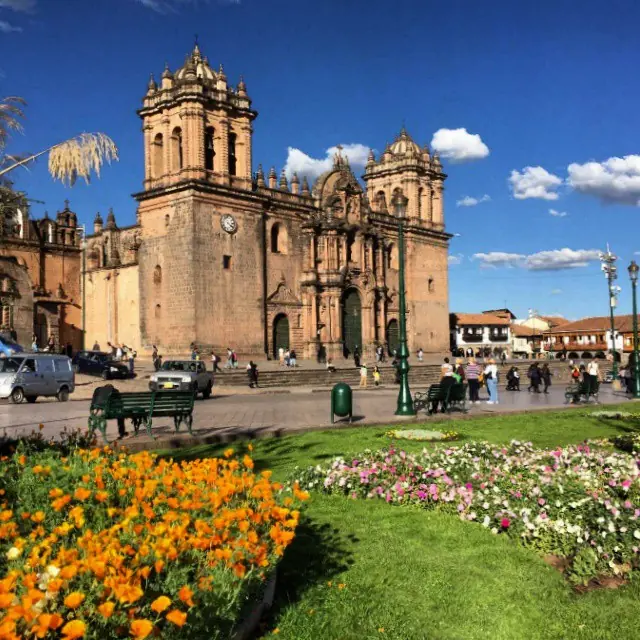
The D'GIRA PERÚ team will pick you up at your hotel in Cusco at the coordinated time and take you to the meeting point with the guide. The first visit is the Cusco Cathedral, on the Plaza de Armas. It was built on the palace of the Inca Wiracocha, next to the Chapel of the Triumph, built on the ancient temple of Suntur Wasi. Inside you will see altars, carvings in cedar and alder, objects in embossed silver, and an important collection of paintings of the Cusco School, where European techniques are combined with Andean elements.
Historic center and Qoricancha
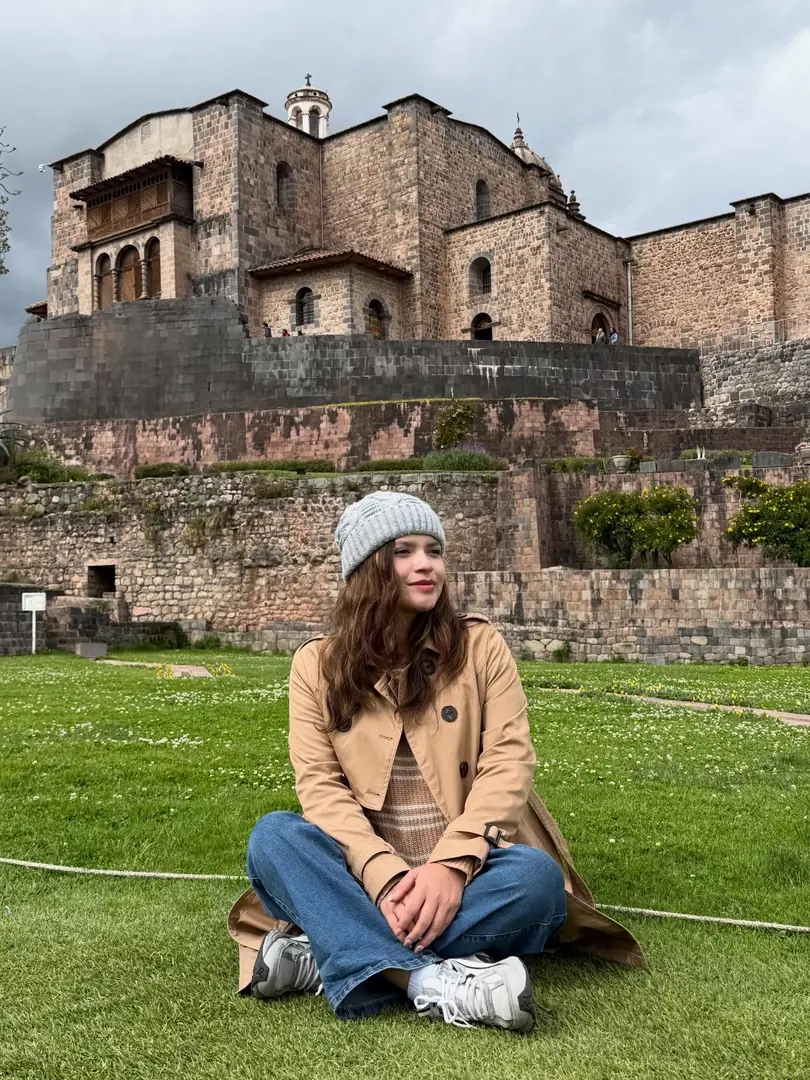
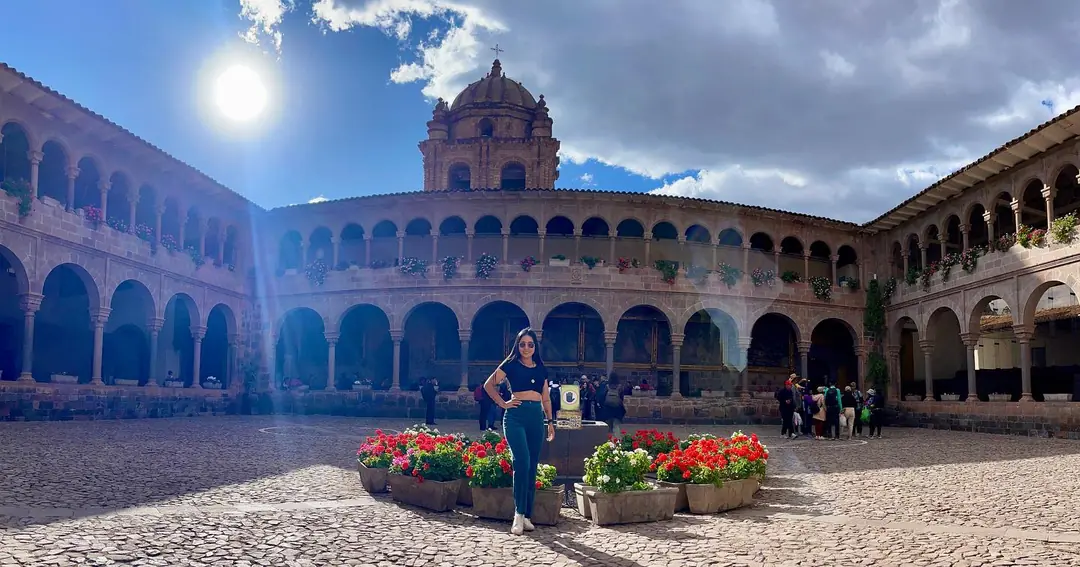
A short walk through the streets of the historic center, where Inca walls stand alongside colonial buildings, will lead us to Qoricancha or the Temple of the Sun. It was the main temple of the Sun god and, according to the chroniclers, its walls were covered with gold plates. Your guide will explain how the Santo Domingo Convent was built on its polished Inca stone walls.
Sacsayhuamán
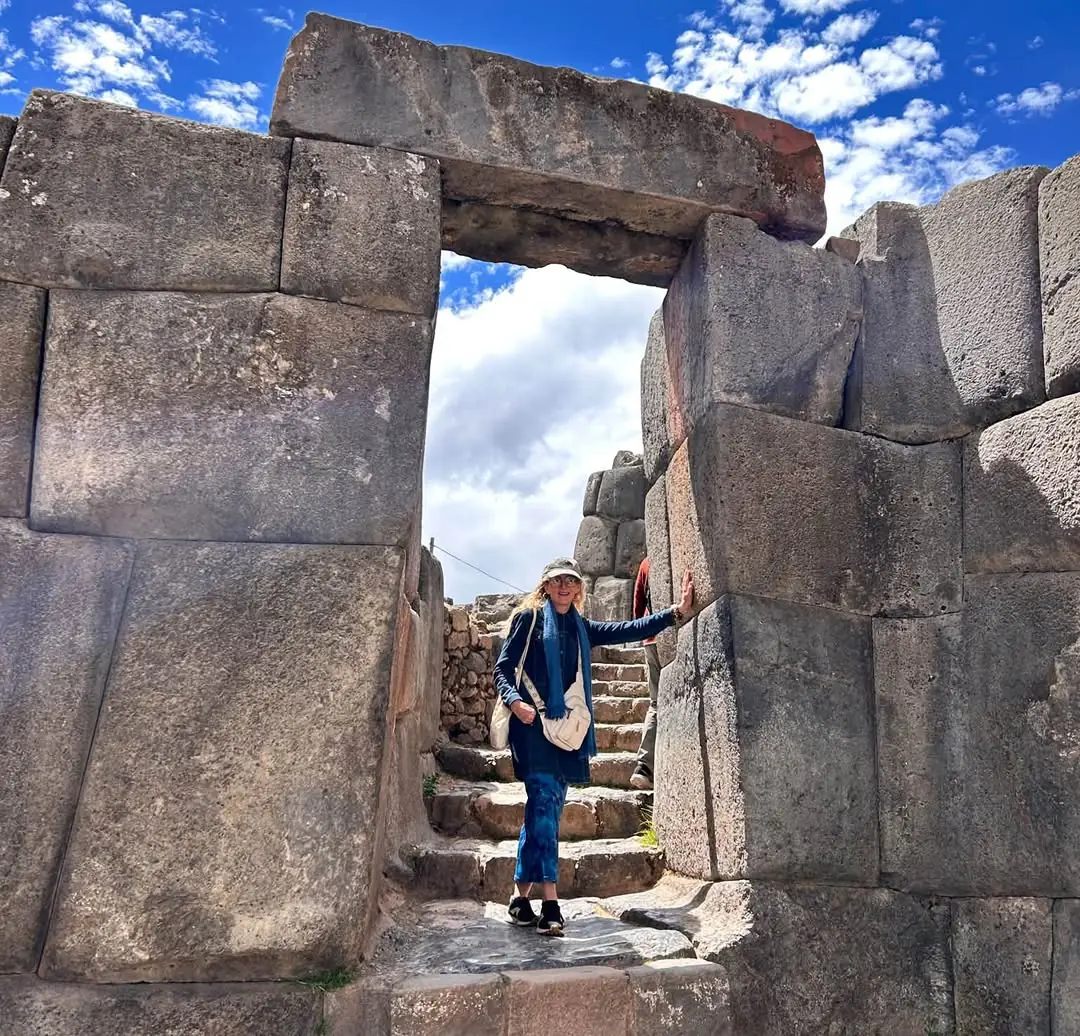
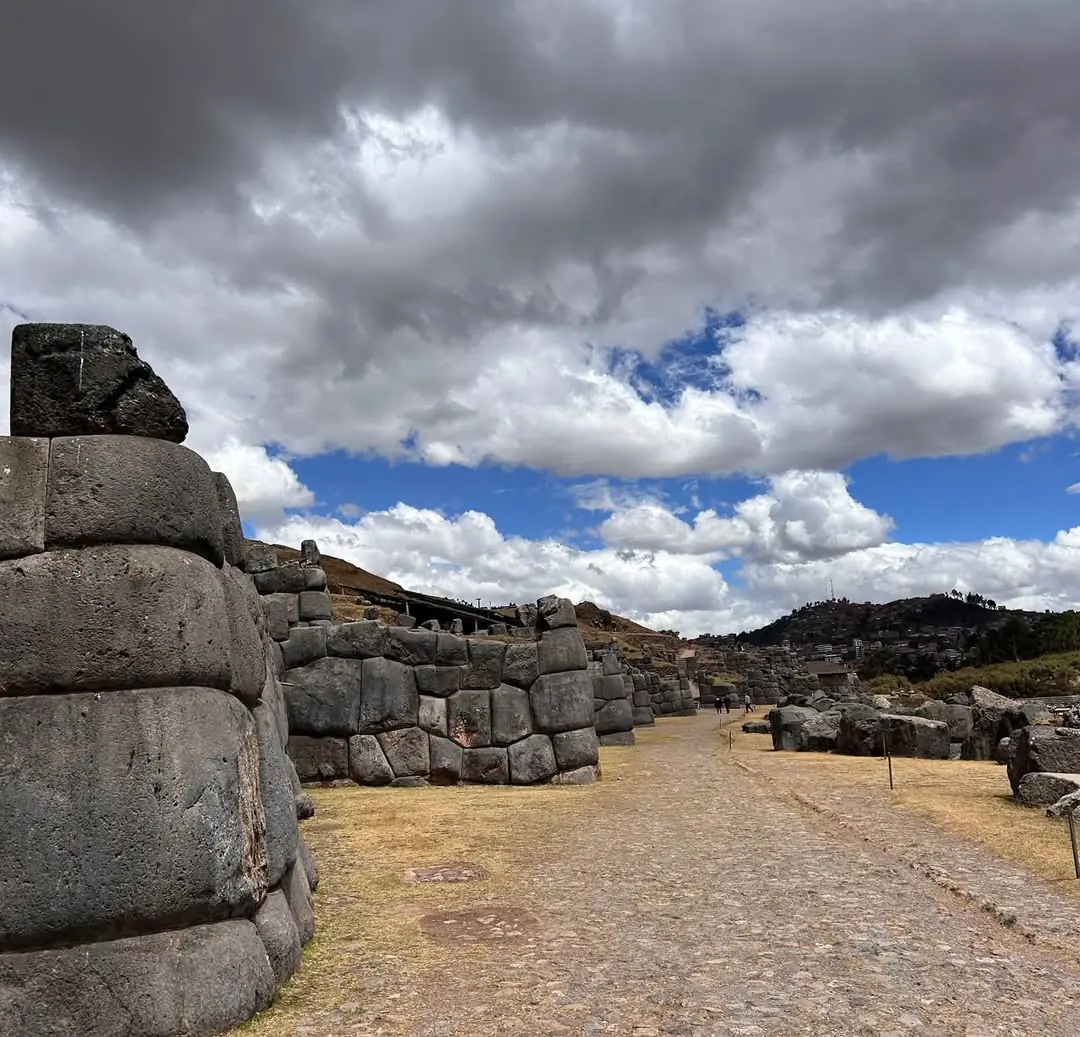
By transport we will go up to Sacsayhuamán, in the upper part of the city, with panoramic views of Cusco. Its enormous stone blocks, of up to 40 tons, fit together with precision. The guide will tell you about its ceremonial and strategic function, about the great battle between Incas and Spaniards, and about its link with Inti Raymi.
Qenqo
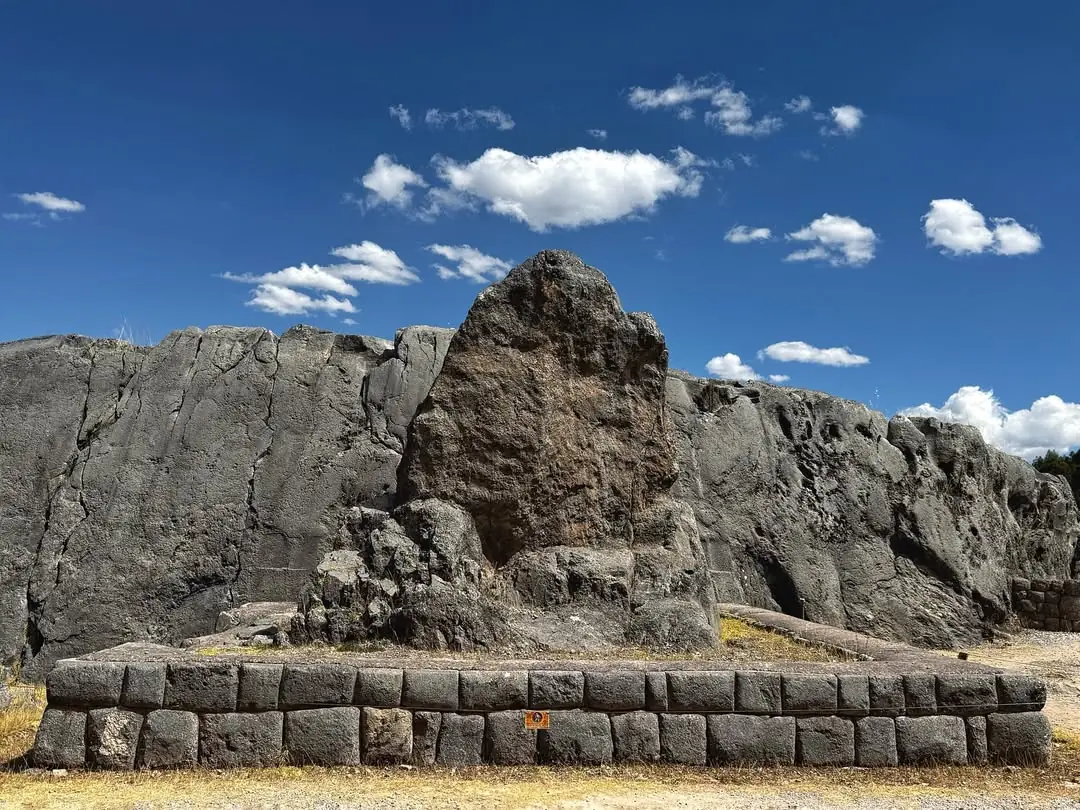
Qenqo, which means "labyrinth," is a sacred place of stone formations, passages, and carved spaces. It has a semicircular amphitheater with niches, a monolith of about six meters in the shape of a puma, and a cavern with a table or altar where agrarian rites were performed.
Puka Pukara
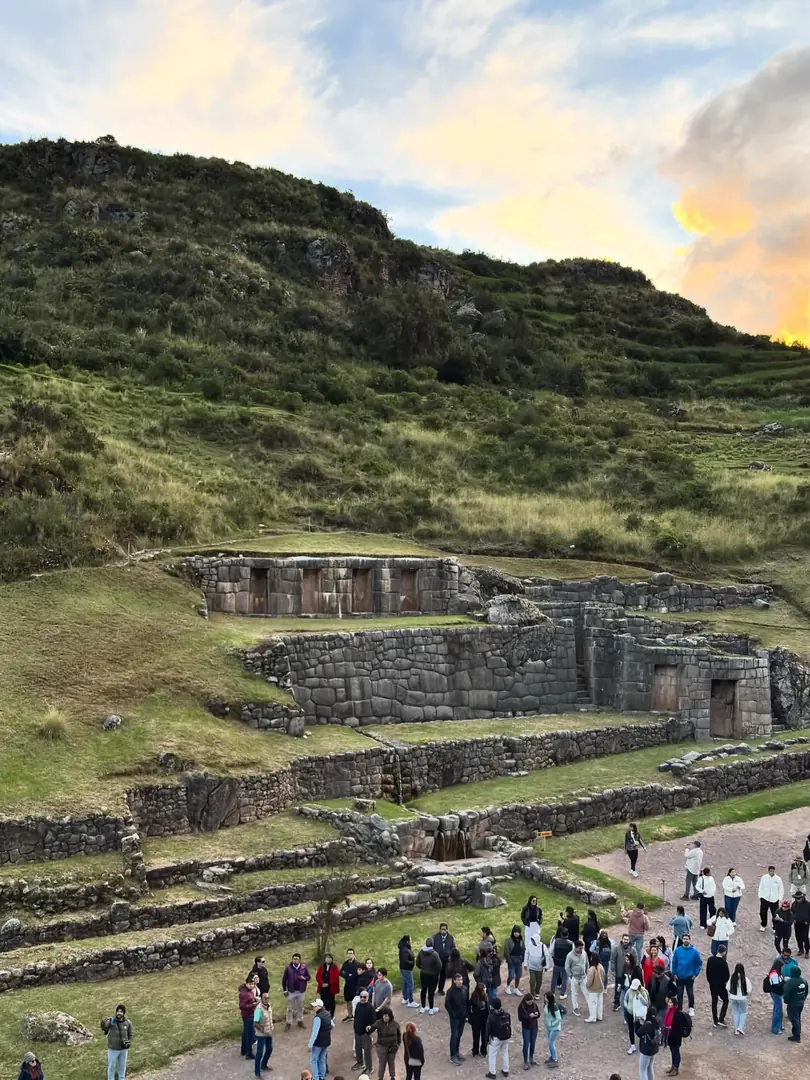
Puka Pukara, the "red fortress," has enclosures, squares, aqueducts, and lookouts. It is thought to have functioned as a control point on one of the accesses to the Inca city and as a tambo or resting place for the Inca's retinue.
Tambomachay and return
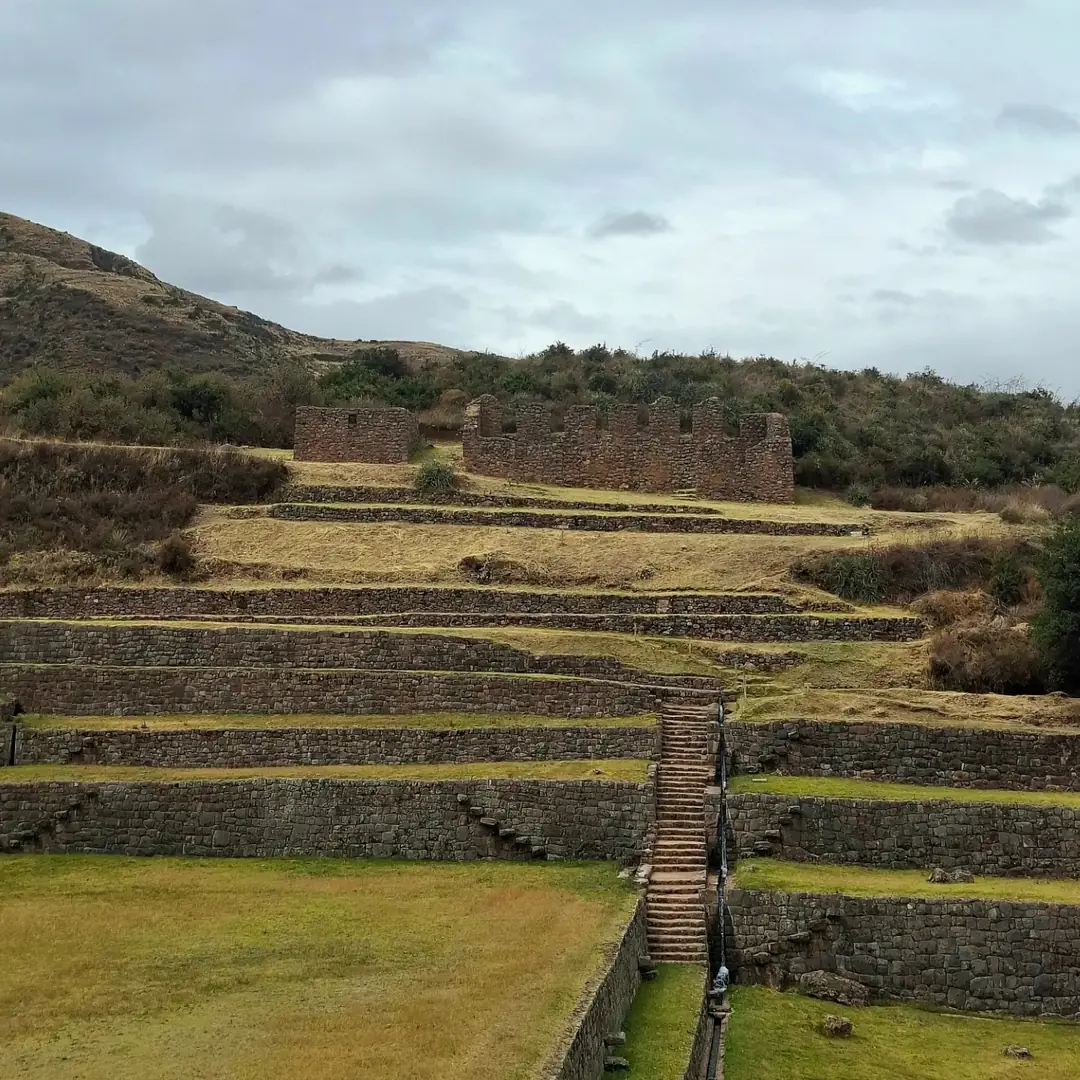
The last stop is Tambomachay, with canals and water fountains that still function. There you will learn about the importance of water in the Andean worldview and about Inca hydraulic engineering. Afterwards we will return to Cusco and the tour will end near the Plaza de Armas.
Includes
- Pickup at your hotel in Cusco.
- Tourist transport to all the places on the route.
- Professional bilingual D'GIRA PERÚ guide (Spanish and English).
- Assistance and coordination before the tour.
Not included
- Entry tickets to the Cathedral, to Qoricancha, and the Cusco Tourist Ticket (Boleto Turístico del Cusco) (Sacsayhuamán, Qenqo, Puka Pukara, and Tambomachay). Their cost should be coordinated with the reservations team once the booking is confirmed.
- Food and drinks.
- Personal expenses.
- Other services not mentioned.
Important recommendations
- If you have just arrived in Cusco, walk calmly and tell the guide if you feel any discomfort due to the altitude. Choose a shift that allows you to rest beforehand.
- Do not schedule the tour immediately after a flight with little connection time.
- Inside the Cathedral and Qoricancha, photographs may be limited or prohibited: follow the instructions of the guide and the staff.
- Bring your identity document or passport.
- From November to April it is the rainy season: bring a poncho or rain jacket.
What to bring
- Identity document or passport.
- Small backpack.
- Comfortable footwear with good grip.
- Light, layered clothing, and a light jacket.
- Rain poncho or rain jacket (from November to April).
- Cap or hat, and gloves.
- Sunglasses and sunscreen.
- Water bottle.
- Coca leaves or coca products (candies, cookies).
- Personal medication (for headache, anti-inflammatories).
- Binoculars (optional).
- Extra money, preferably in soles.
- D'GIRA PERÚ coordinates your pickup time and accompanies you on this tour of Cusco and its surroundings.
How long does the Cusco City Tour last, and in which shifts does it depart?
It lasts half a day, about 5 hours. There is a morning shift, from 9:00 a.m. to 2:00 p.m., and an afternoon shift, from 1:00 p.m. to 6:00 p.m. Pickup is at 9:00 a.m. or at 1:00 p.m., according to the shift. Schedules are approximate and may vary due to traffic and the group's pace; the exact pickup time is confirmed in the prior coordination.
Which places are visited?
The route is Cusco Cathedral – Qoricancha – Sacsayhuamán – Qenqo – Puka Pukara – Tambomachay. It starts on the Plaza de Armas, continues on foot to Qoricancha, and then goes up by transport to the sites in the upper part. The tour ends near the Plaza de Armas.
At what altitude does the tour take place?
This itinerary does not list the elevation of each stop. The City Tour takes place in Cusco and its immediate surroundings: the city is at about 3,350–3,400 m a.s.l. in our other itineraries, and the sites in the upper part (Sacsayhuamán, Qenqo, Puka Pukara, and Tambomachay) exceed that elevation. It is advisable to walk calmly if you have just arrived.
Are the entry tickets included?
No. The itinerary does not include entry tickets to the Cathedral, to Qoricancha, or the Cusco Tourist Ticket (Boleto Turístico del Cusco) (required for Sacsayhuamán, Qenqo, Puka Pukara, and Tambomachay). Their cost is coordinated with the reservations team once the booking is confirmed.
How difficult is the walk?
The difficulty is a moderate walk, with stairs, changes in level, and uneven terrain, especially at Sacsayhuamán. Part of the historic center is covered on foot.
What is the weather like, and what should I bring?
From November to April it is the rainy season: bring a poncho or rain jacket. In Cusco, mornings and afternoons can be cold. Bring your identity document or passport, a small backpack, comfortable footwear with good grip, light layered clothing and a light jacket, a cap or hat, gloves, sunglasses, sunscreen, a water bottle, coca products, personal medication and, if you wish, binoculars. Extra money, preferably in soles.
Should I acclimatize before this tour?
Yes. If you have just arrived in Cusco, walk calmly and tell the guide if you feel discomfort due to the altitude. Choose a shift that allows you to rest beforehand and do not schedule the tour immediately after a flight with little connection time.
Can photos be taken in the Cathedral and Qoricancha?
Inside the Cathedral and Qoricancha, photographs may be limited or prohibited: you must follow the instructions of the guide and the staff.
Is it a group service? In which languages is the guide?
Yes, it is a group service, of a minimum of 2 people and a maximum of 15. The professional D'GIRA PERÚ guide is bilingual (Spanish and English). Assistance and coordination before the tour, pickup at your hotel in Cusco, and tourist transport to all points are also included.
What is seen at each archaeological site?
In the Cathedral, built on the palace of the Inca Wiracocha, you will see altars, carvings, and paintings of the Cusco School. Qoricancha is the Temple of the Sun, with the Santo Domingo Convent on Inca walls. At Sacsayhuamán there are blocks of up to 40 tons and views of the city. Qenqo means "labyrinth" and has a monolith of about six meters and an underground altar. Puka Pukara is the "red fortress" and Tambomachay preserves canals and water fountains that still function.
Does the price include a private service?
The price per person and the private-service option are coordinated with the D'GIRA PERÚ reservations team once the booking is confirmed. Food, drinks, personal expenses, and other services not mentioned are not included.